THIS WEEK IN THE DAMAGE REPORT

Note on imagery: The images featured in this issue are representative in nature and are not from the specific incident covered in this report. They are used to help illustrate similar real-world scenarios.
Copperas Cove, Texas Gas Line Strike Disrupts Homes During Fiber Construction
In late April, emergency crews responded after a gas line was reportedly struck during fiber optic construction work in Copperas Cove, Texas. According to local reporting, the incident caused power outages affecting more than 100 homes and prompted evacuations in nearby residential areas while utility crews worked to secure the scene.
First responders, Atmos Energy, and utility crews were dispatched immediately as excavation activity created a potentially dangerous situation involving both gas and electrical infrastructure.
While no catastrophic injuries were reported, the incident reflects a growing nationwide issue:
As broadband expansion accelerates, excavation risks are increasing in dense underground environments where incomplete records, legacy infrastructure, and compressed construction timelines create higher strike potential.
DAMAGE OF THE WEEK
WHAT HAPPENED?
Note on imagery: Images used in this issue are representative and are not from the specific incident discussed.
During active fiber optic installation work in Copperas Cove, Texas, a contractor reportedly struck a gas line near a residential corridor.
Following the incident:
Gas utility crews responded immediately
Power was shut down to nearby homes
Multiple residents were temporarily evacuated
Emergency responders secured the area
Construction activity was disrupted
Utility restoration and safety procedures delayed nearby operations
Even when quickly contained, incidents involving gas infrastructure significantly elevate operational and public safety risk.
WHY IT HAPPENED
Based on reporting and broader excavation risk trends, likely contributing factors included:
Limited visibility into buried infrastructure
Congested underground utility corridors
Reliance on incomplete or outdated records
Insufficient potholing or daylighting verification
Pressure to maintain accelerated construction schedules
Increased excavation volume tied to broadband deployment
As telecom construction expands nationwide, underground uncertainty remains one of the industry's biggest operational risks.
THE REAL IMPACT
Utility strikes involving gas infrastructure can escalate rapidly beyond the initial repair.
Potential consequences include:
Service interruptions to residents
Emergency response deployment
Temporary evacuations
Increased liability exposure
Delayed construction schedules
Public frustration and municipal scrutiny
Added safety risks for field crews
One strike can disrupt an entire project corridor.
Repeated strikes damage trust in infrastructure deployment altogether.
ESTIMATED HIDDEN COST OF AN INCIDENT LIKE THIS

Estimated Hidden Costs of a Gas Utility Strike During Fiber Construction
Emergency utility response & dispatch:
$5,000 – $20,000+
Gas line repair & materials:
$10,000 – $75,000+
Emergency traffic control / evacuations:
$2,500 – $15,000+
Power shutdown coordination:
$5,000 – $25,000+
Construction delays & idle crews:
$3,000 – $20,000+ per day
Regulatory review / municipal oversight:
Varies by jurisdiction
Insurance exposure & liability risk:
Potentially significant
Reputation damage with residents & municipalities:
Long-term operational impact
Bottom Line
Gas-related utility strikes create some of the highest-risk excavation incidents in infrastructure construction.
The direct repair cost is often only a fraction of the total impact.
NATIONAL DAMAGE COUNTER
Utility Damage Snapshot (U.S.)
Underground utility damage continues to increase alongside rapid infrastructure expansion nationwide.
Updated Industry Trends
More than 215,000 excavation-related utility damages are estimated annually across the U.S.
Telecom and fiber deployment remain one of the fastest-growing contributors to excavation activity nationwide
Utility congestion and inaccurate legacy records continue to be leading risk factors
Gas-related strikes remain among the most dangerous and costly incident categories
(Source: Common Ground Alliance, Texas811, national excavation safety reporting)
While You Read This Newsletter...
Another utility strike is likely occurring somewhere in America.
Current Estimated 2026 Year-To-Date Totals
Utility damages YTD: 74,000+
Telecom / fiber-related damages YTD: 36,900+
Gas-related damages YTD: 29,500+
Estimated damages occurring daily nationwide: 580+
(Yes these have gone up since the last Damage Report)
Why This Matters
Every underground strike creates ripple effects:
delays, repair costs, service interruptions, safety risks, and erosion of public confidence in infrastructure projects.
SEE IT FOR YOURSELF
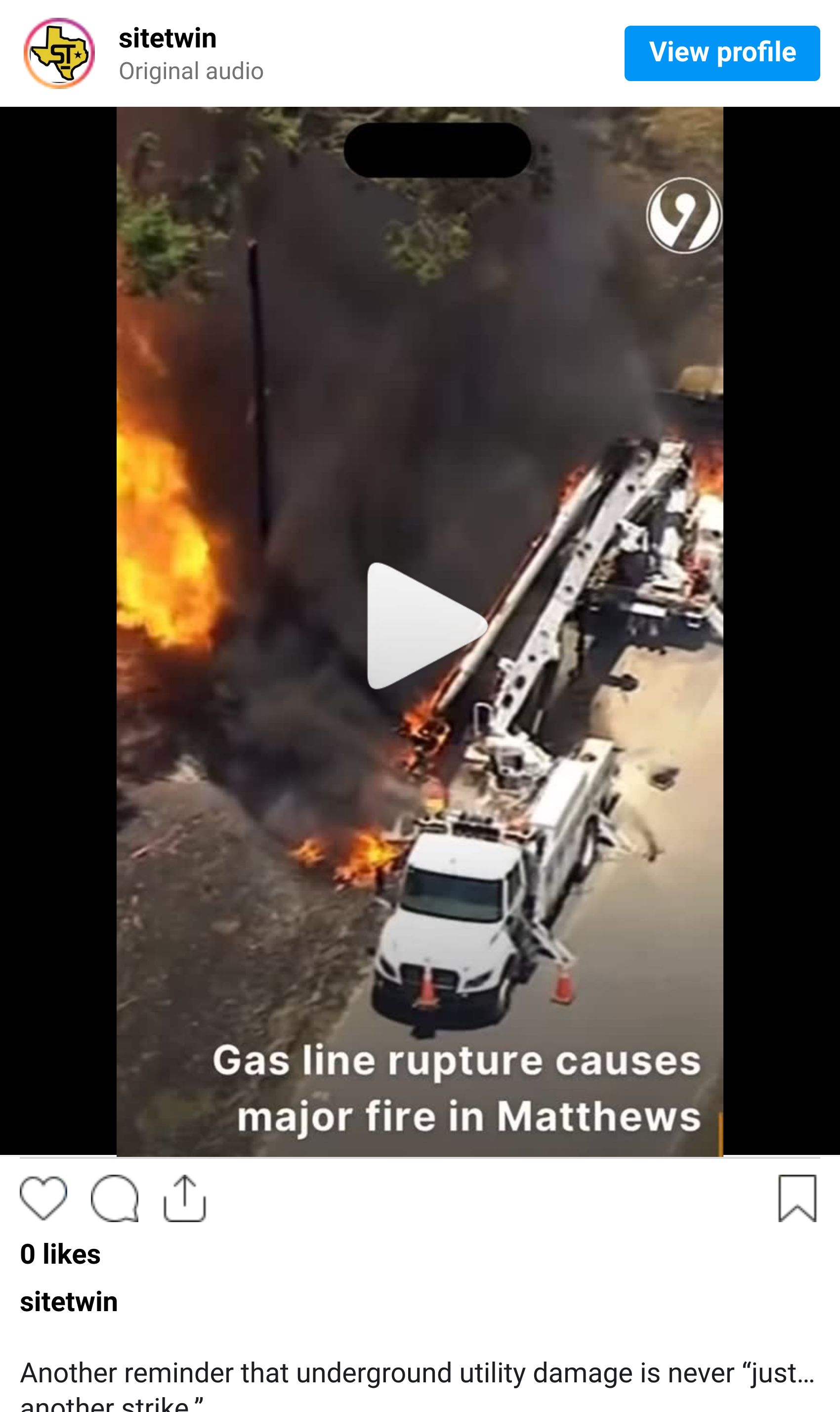
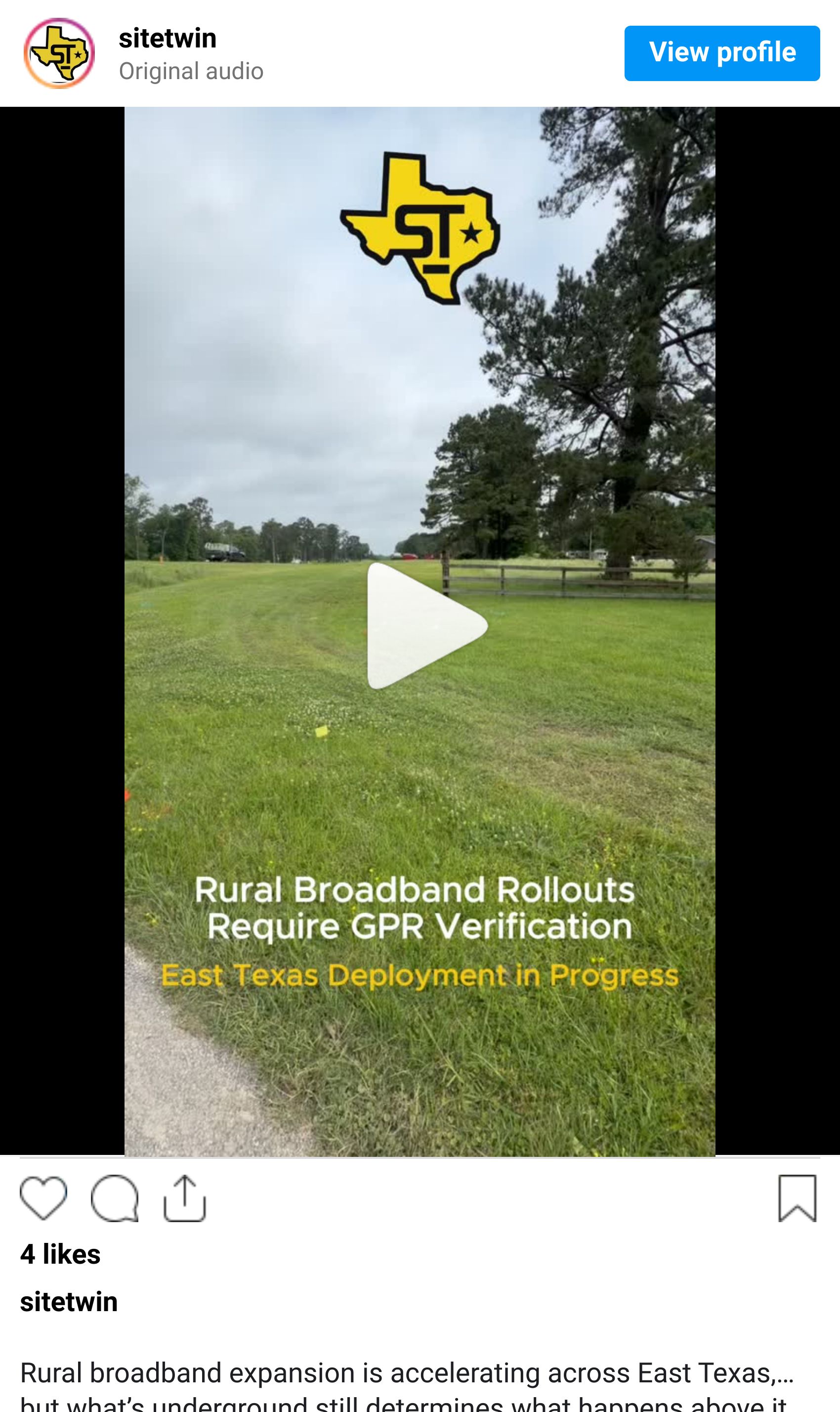
Social Media
(Representative visuals only, not from the Copperas Cove incident.)
TRY IT YOURSELF
What Could a Utility Strike Really Cost?
Crew downtime, emergency response, project delays, repairs, liability exposure — the true cost adds up fast.
Try SiteTwin’s Utility Strike Cost Calculator to estimate the real-world financial impact of a utility strike in seconds.

DAMAGE CONTROL TIP
Before Fiber Construction Begins:
Verify utility locations using field validation
Pothole all major crossings
Validate records against real-world conditions
Reconfirm markings before directional boring
Pause work if underground conditions differ from plans
Treat gas corridors as high-risk excavation zones
Fast deployment without visibility creates expensive recoveries.
UTILITY STRIKE SNAPSHOT
What This Incident Reflects Nationally
Fiber expansion is accelerating excavation activity
Residential utility corridors are increasingly congested
Legacy utility records often lack accuracy
Municipal tolerance for repeated utility damages is shrinking
Safety expectations around excavation are increasing
The challenge is no longer just building faster.
It’s building smarter.
WHY THIS MATTERS
The U.S. is entering one of the largest infrastructure expansion cycles in decades.
Broadband deployment, grid modernization, AI data center growth, and utility upgrades are all increasing underground construction activity simultaneously.
Texas811 recently launched “Guardian,” a new excavation monitoring initiative using fiber-optic sensing technology to help detect excavation activity before utility damage occurs — reflecting how serious the industry’s damage prevention challenge has become.
The future of infrastructure depends on better visibility below ground.
PROJECT SPOTLIGHT
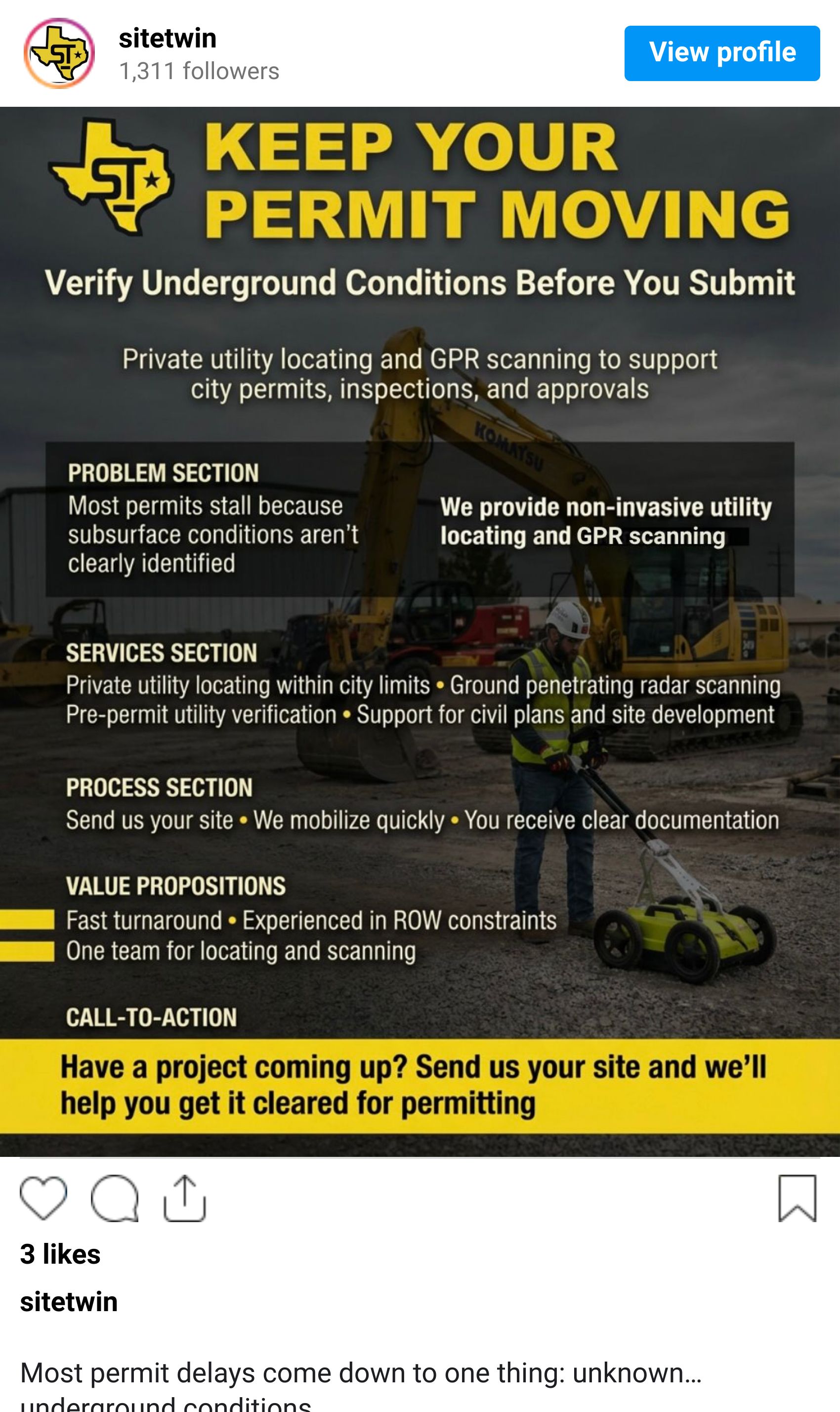
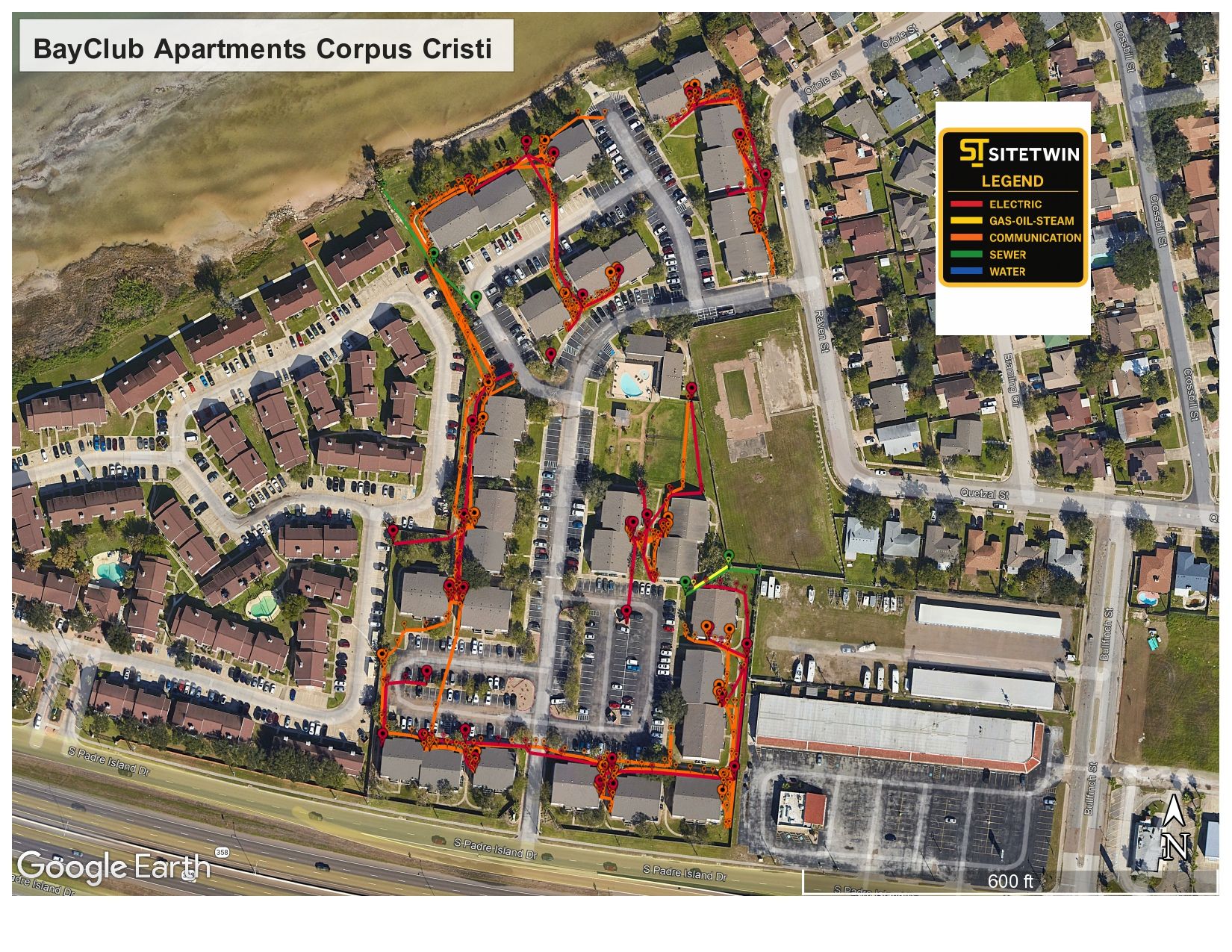
Recent SiteTwin Project Spotlight
See how SiteTwin helps contractors, utilities, municipalities, and engineering teams reduce excavation risk through:
Private utility locating
GPS/GIS utility mapping
Ground penetrating radar (GPR)
Subsurface infrastructure visibility
Damage prevention support
Real field work. Real visibility. Real damage prevention.
CLOSING INSIGHT
Most utility strikes don’t start with catastrophic mistakes.
They start with routine excavation in uncertain ground conditions.
As infrastructure expansion accelerates nationwide, visibility below ground is becoming just as important as the infrastructure being built above it.
SiteTwin helps teams reduce uncertainty before excavation begins.
Learn more:
https://linktr.ee/sitetwin
Until next time,
The Damage Report