THE DAMAGE REPORT

This Week in The Damage Report
This week in Omaha, Nebraska, a dramatic infrastructure failure unfolded when a sinkhole suddenly opened at a busy intersection, swallowing two vehicles waiting at a traffic light. Fortunately, both drivers escaped without injury.
The collapse forced road closures, emergency response, and immediate investigation into what caused the underground failure.
Early reports suggested a water main break may have played a role, though officials later indicated the collapse may have resulted from significant underground erosion that destabilized the roadway.
Events like this reveal a critical reality:
The ground beneath our infrastructure is often far more complex—and less visible—than we assume.
Let’s talk about it…
DAMAGE OF THE WEEK
What Happened?
At the intersection of 67th Street and Pacific Street, a section of pavement suddenly collapsed, creating a large sinkhole that trapped two vehicles stopped at a red light.
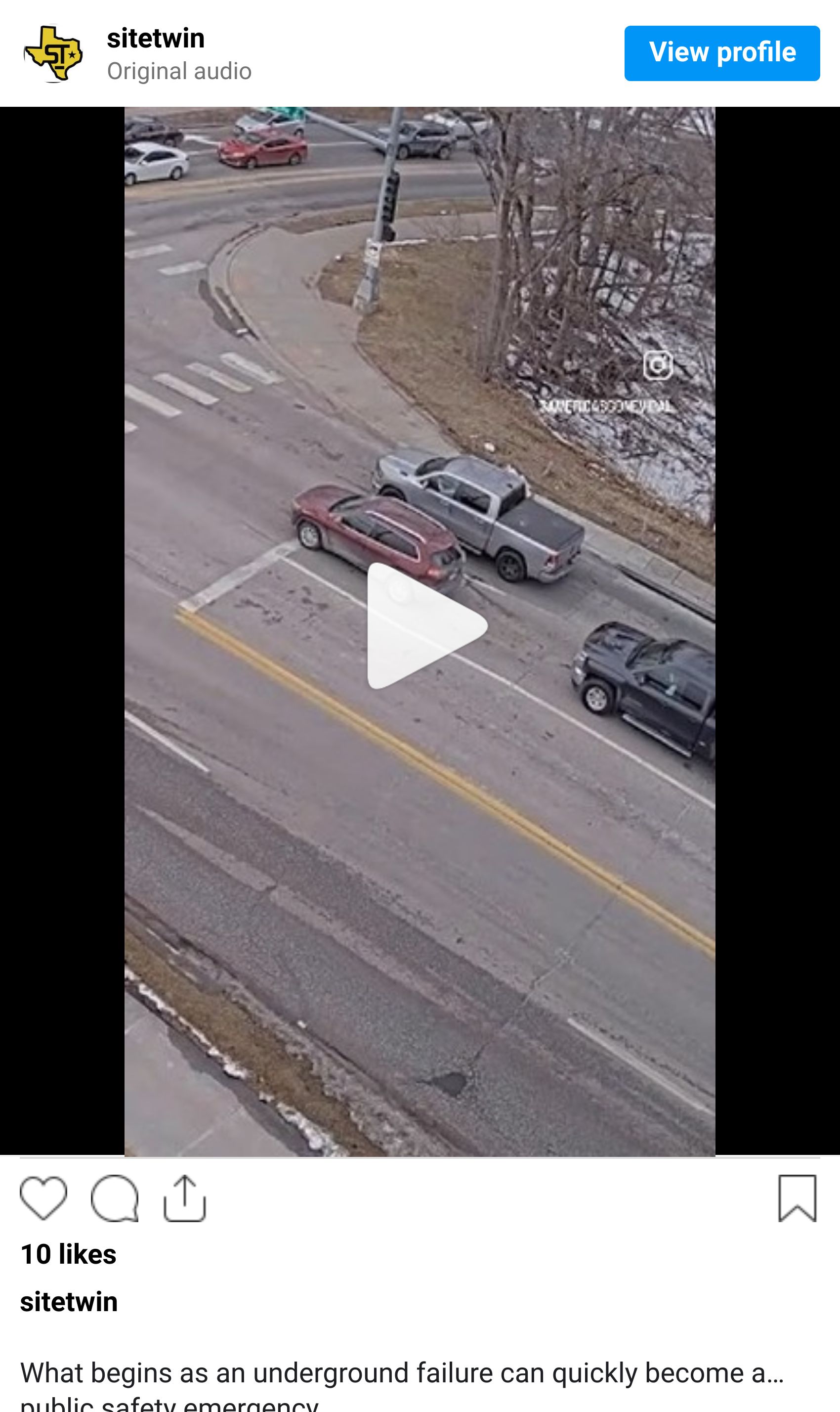
Surveillance footage captured the moment the road gave way beneath the vehicles, dropping them several feet into the void below.
Emergency crews responded quickly and helped both drivers safely exit their vehicles. No injuries were reported.
The road was immediately closed as crews began assessing the stability of surrounding infrastructure and investigating what caused the underground failure.
Why It Happened
The exact cause is still under investigation, but officials pointed to underground erosion and infrastructure instabilityas key contributing factors.
Possible contributing conditions include:
• Subsurface soil erosion weakening the roadway base
• Water main leaks or pressurized water movement underground
• Aging underground infrastructure
• Limited visibility into underground conditions prior to failure
When water, soil, and aging infrastructure interact below the surface, voids can form gradually—until the surface collapses.
Without clear underground visibility, these failures can develop unnoticed.
The Real Impact
Although no one was injured, the consequences reached far beyond the immediate collapse site.
Impacts included:
• Major road closures affecting local traffic
• Emergency utility response and overnight repairs
• Disruption to nearby businesses and residents
• Increased public concern about infrastructure safety
Infrastructure failures like this rarely happen without warning signs underground.
The challenge is that those signs are often invisible without the right data.
Primary Source
SOCIAL MEDIA
See It For Yourself
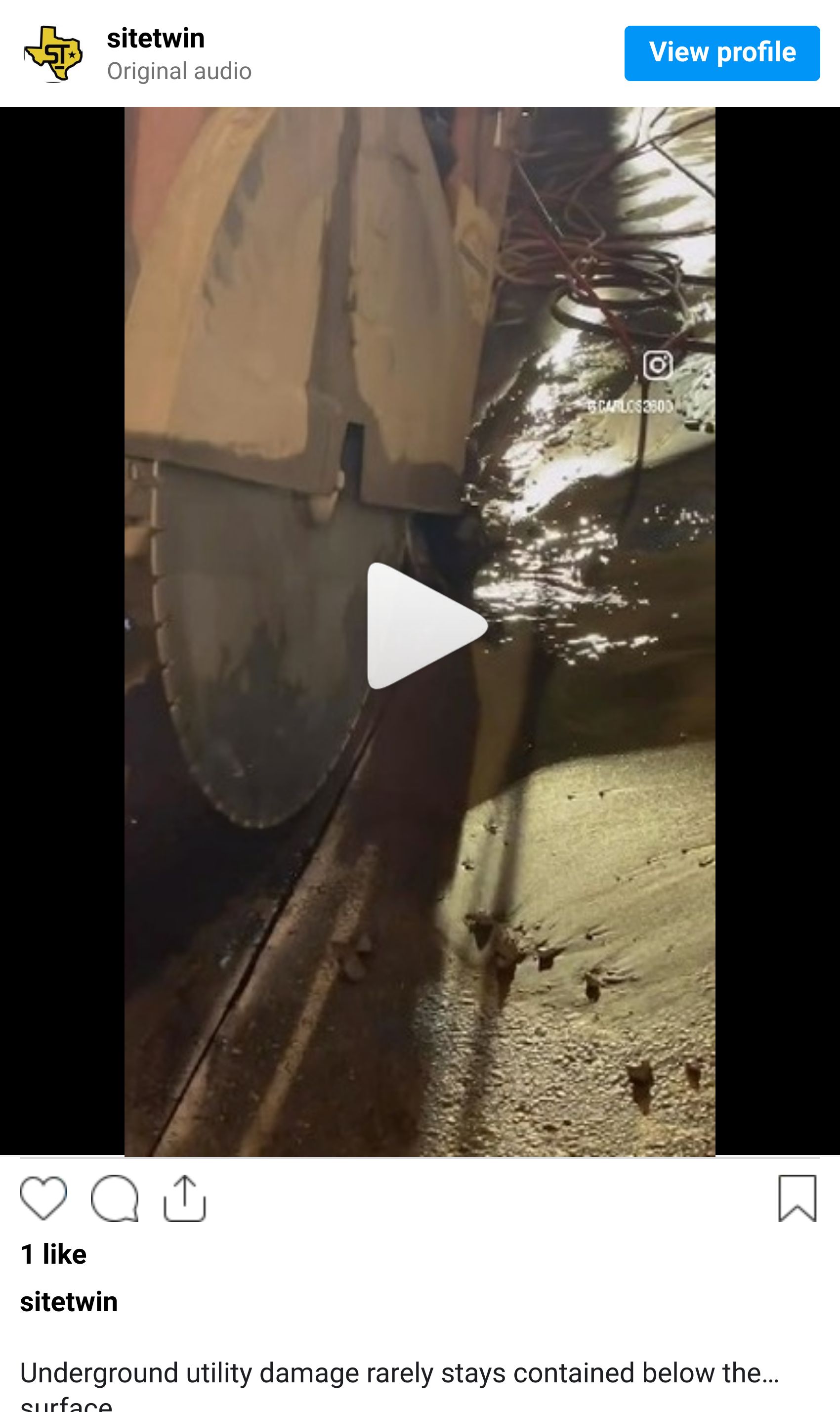
The videos below are illustrative examples of similar infrastructure failures and underground erosion events, including footage from this specific Omaha incident, both demonstrate how rapidly subsurface failures can escalate into major surface damage.
DAMAGE CONTROL TIP
Small leaks can create big failures.
Underground water movement, whether from a damaged main, aging pipe, or soil washout—can gradually erode supporting soil beneath roadways and structures.
Over time, this creates hidden voids that can collapse without warning.
Routine inspection and subsurface mapping help identify these risks before they become emergencies.
Better visibility below the surface helps protect what’s built above it.
LET’S BE REAL
UTILITY STRIKE SNAPSHOT
Sinkholes and underground collapses are often connected to aging infrastructure interacting with unknown subsurface conditions.
Across the United States:
• Many water systems are 50–100 years old
• Underground assets are frequently incompletely mapped
• Soil erosion and void formation can develop without visible surface signs
When underground data is incomplete, infrastructure risk becomes harder to manage.
Why This Matters
Underground failures affect far more than roadways.
They can lead to:
• Traffic disruption and safety risks
• Emergency utility repairs
• Service interruptions for nearby communities
• Expensive infrastructure reconstruction
Understanding subsurface conditions isn’t just an engineering challenge—it’s essential for protecting communities and maintaining reliable infrastructure.
Closing Insight
Most infrastructure failures don’t start at the surface.
They start underground—slowly, quietly, and out of sight.
Better subsurface data allows engineers, utilities, and municipalities to identify risks earlier and plan with confidence.
Because the most effective damage response is the one that never has to happen.
SiteTwin helps teams understand what’s below the surface before they break ground.
Learn more, see recent projects, or request support:
https://linktr.ee/sitetwin
Until next week,
The Damage Report