This Week in The Damage Report
Last month in Imperial, Missouri, a routine excavation project escalated into a devastating explosion after a contractor struck a natural gas line during fiber installation.
The damaged line allowed gas to migrate into a nearby home, which later exploded—destroying the structure and damaging a neighboring property.
Emergency crews had evacuated residents prior to the blast, preventing injuries, but the destruction was severe and immediate.
Events like this reinforce a critical reality:
Utility damage doesn’t always stay contained—it can escalate beyond the job site in seconds.
DAMAGE OF THE WEEK
What Happened?

A contractor installing fiber optic infrastructure struck an underground natural gas line in a residential area of Imperial, Missouri.
Following the strike:
• Gas began leaking from the damaged line
• The gas migrated into a nearby home
• The home exploded, completely destroying the structure
• A neighboring home sustained damage
• Emergency crews had evacuated residents before the explosion
While no injuries were reported, the outcome could have been far worse.
Why It Happened
Investigators confirmed the incident began with a third-party excavation strike—a pattern seen in many high-risk utility damage events.
Common contributing factors include:
• Excavation work near active gas infrastructure
• Incomplete or unclear underground utility data
• Lack of precise visibility into utility depth and location
• Insufficient real-time verification before digging
When multiple utilities share tight underground corridors,
a single miscalculation can trigger a chain reaction.
The Real Impact
Although lives were spared, the consequences extended far beyond the initial strike:
• Total loss of a residential home
• Structural damage to neighboring property
• Emergency evacuations
• Fire and emergency response deployment
• Significant financial and emotional impact for residents
Utility damage doesn’t just affect infrastructure—
it directly impacts people, homes, and communities.
Primary Source (Damage Report):
SOCIAL MEDIA
See It For Yourself
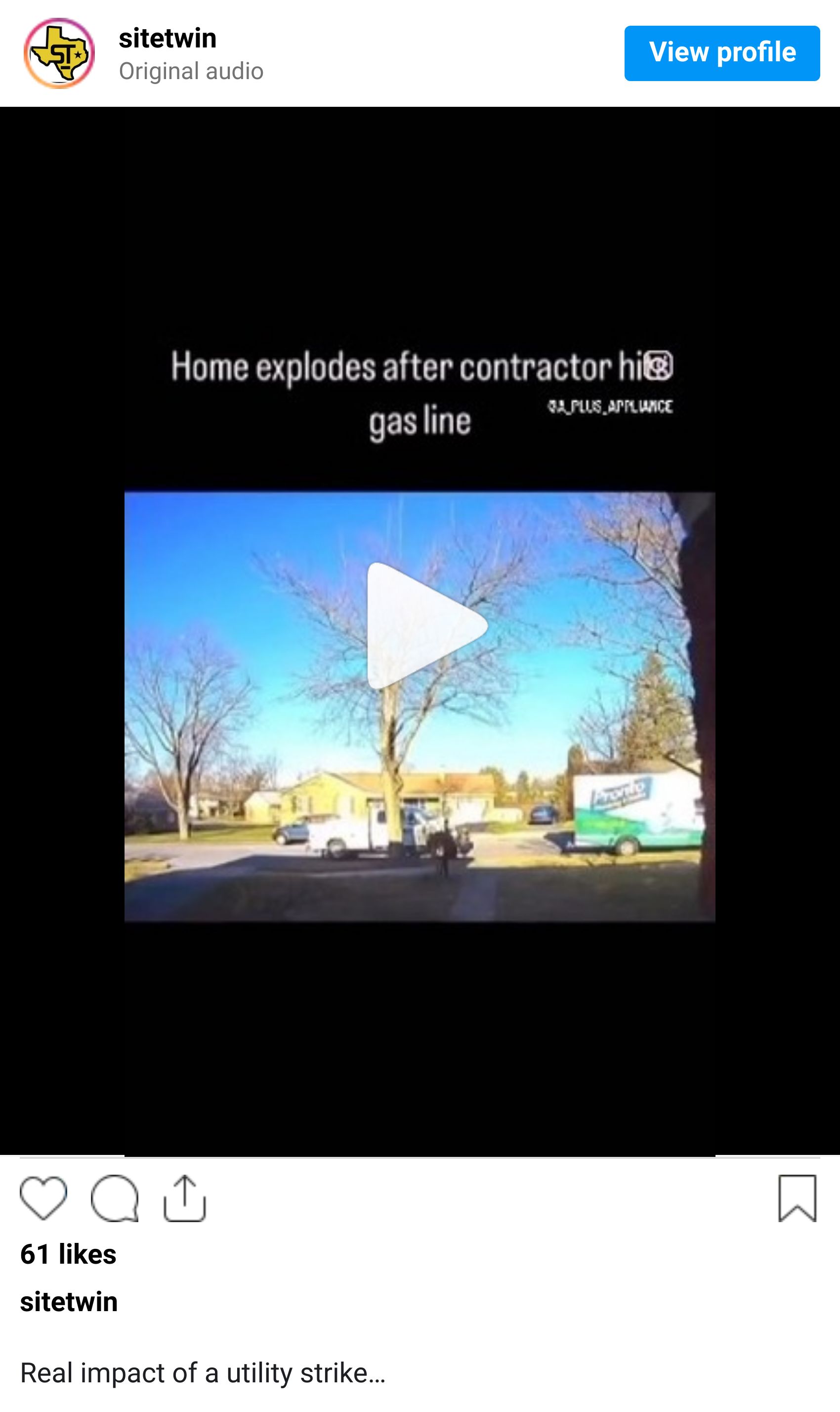
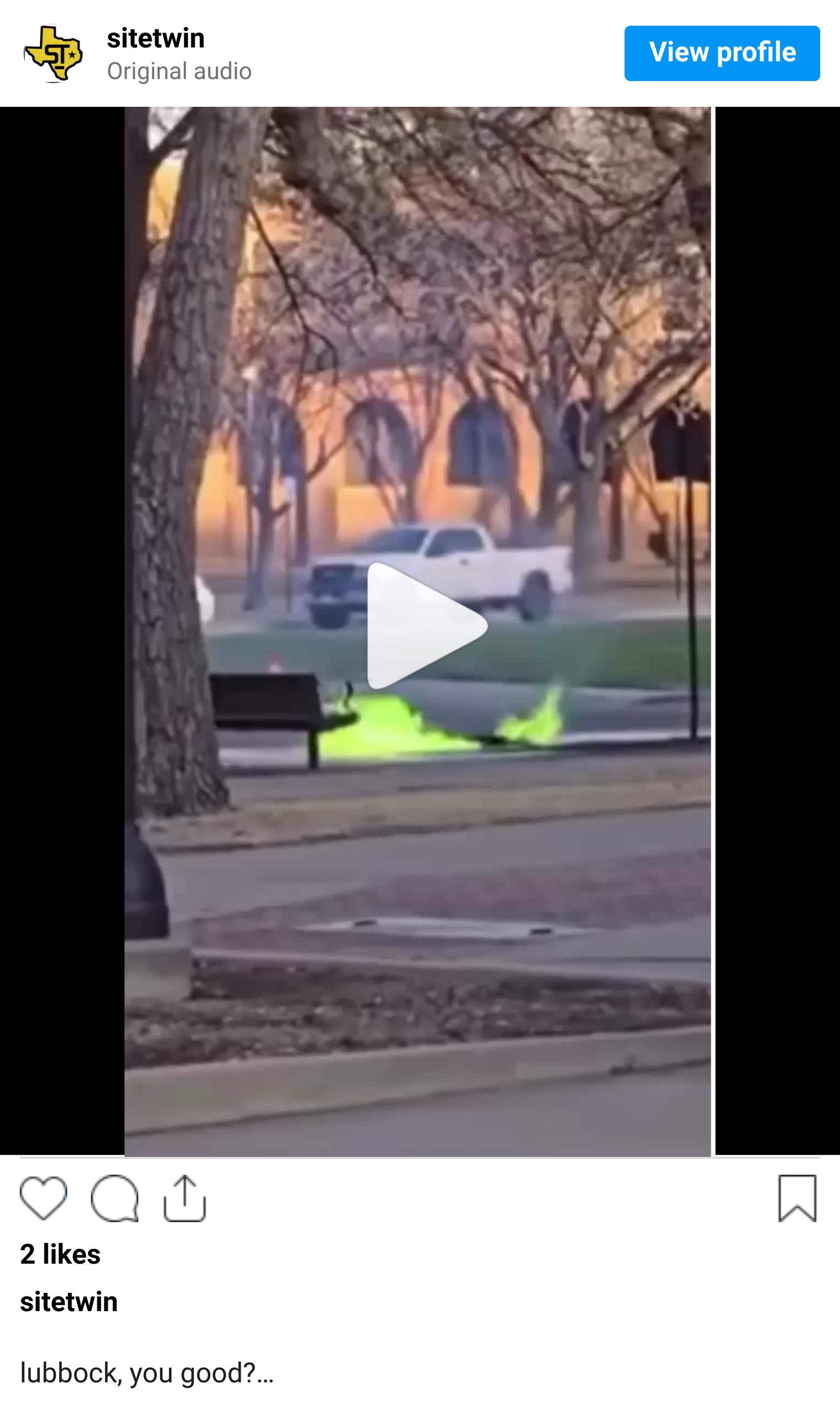
The videos below are illustrative examples of utility strikes similar to those discussed in this report. While not footage from the specific incidents above, they demonstrate the scale and impact underground damage can cause when lines are missed.
DAMAGE CONTROL TIP
Small strikes can trigger major consequences.
Gas lines present one of the highest-risk scenarios in underground infrastructure.
Reducing risk requires:
• Highly accurate, field-verified utility data
• Clear identification of gas infrastructure before excavation
• Real-time visibility into subsurface conditions
• Strict adherence to safe digging and verification protocols
When it comes to gas lines, there is no margin for error.

UTILITY STRIKE SNAPSHOT
Gas line strikes remain one of the most dangerous types of utility damage:
• Excavation damage is a leading cause of gas incidents
• Gas migration can occur beyond the initial strike location
• Leaks can escalate into explosions with little warning
• Many incidents stem from incomplete or inaccurate data
When underground conditions aren’t fully understood,
risk extends far beyond the point of impact.
Why This Matters
Incidents like this highlight how utility damage can quickly become a public safety emergency.
They can lead to:
• Loss of property and displacement of residents
• Immediate danger to surrounding communities
• Emergency response and regulatory involvement
• Increased costs and liability for all parties involved
The true cost of uncertainty underground is measured in more than repairs—it’s measured in risk to human safety.
Closing Insight
Most utility strikes don’t start as disasters.
They begin as routine work—
a trench, a bore, a dig.
But when underground data is incomplete,
routine work can become catastrophic in seconds.
The difference isn’t effort—it’s visibility.
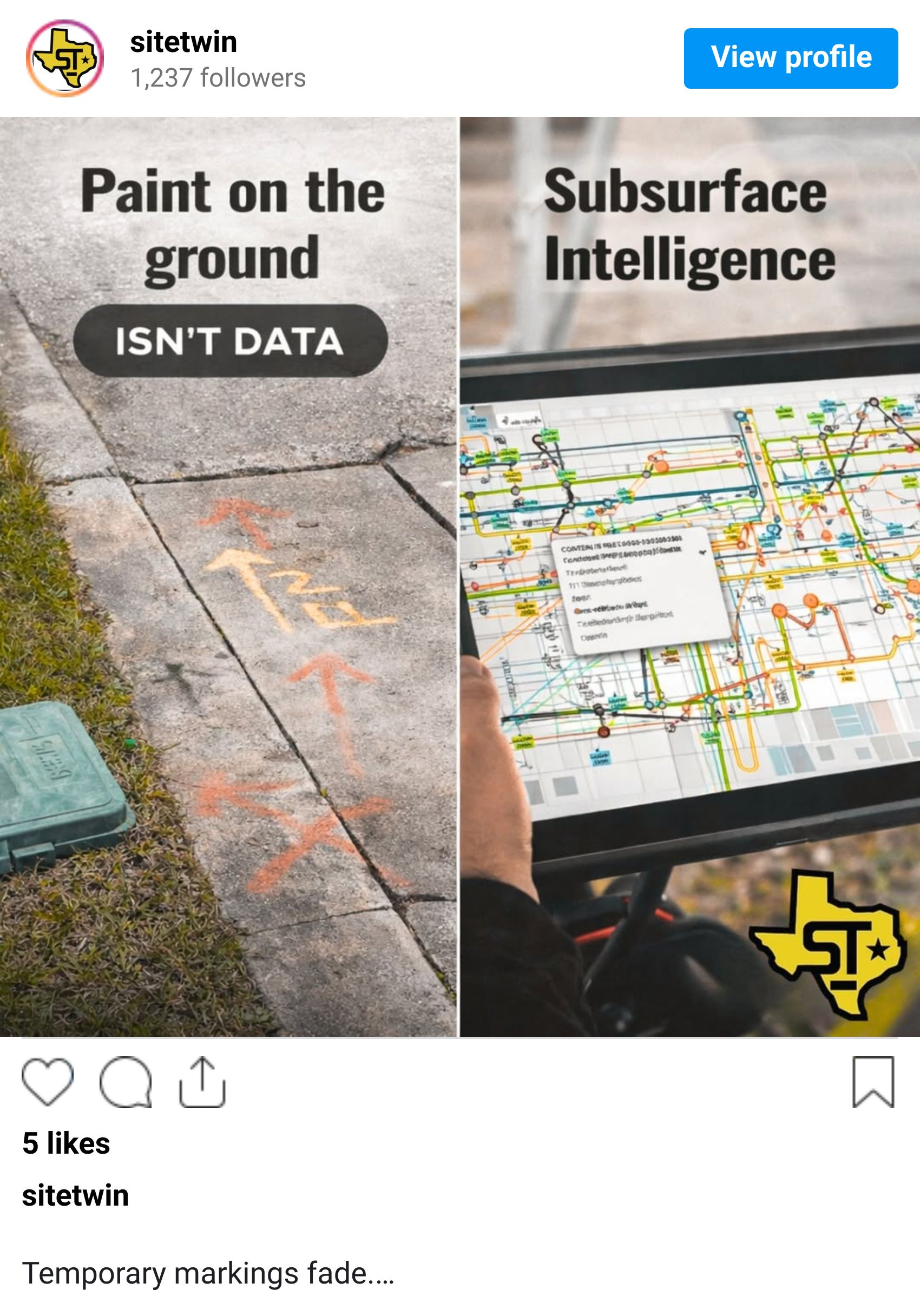
SiteTwin gives teams the clarity they need—before they break ground.
Learn more, see recent projects, or request support:
https://linktr.ee/sitetwin
Until next time,
The Damage Report