
This Week in The Damage Report

Pinyon Court in Hidden Oak Estates (WKMG)
Earlier this month in Longwood, Florida, city officials took action after multiple utility damages were linked to fiber optic installation work in residential areas. According to local reporting, excavation tied to fiber construction struck underground utilities, creating growing concern among residents and city leaders.
The repeated incidents prompted the city to pause and reassess contractor activity, citing concerns over whether the damage could happen again.
While fiber expansion remains critical, this case highlights a growing challenge nationwide:
When underground conditions are not fully verified, routine telecom construction can quickly become a community disruption event.
DAMAGE OF THE WEEK
What Happened?

Note on imagery: The images featured in this issue are representative in nature and are not from the specific incident covered in this report. They are used to help illustrate similar real-world scenarios.
During fiber optic installation in Longwood, multiple underground utilities were reportedly damaged during construction operations.
Following the incidents:
Residents raised safety concerns
City officials intervened
Contractor work faced scrutiny
Utility repairs were required
Public trust in the project was impacted
Local leaders reviewed next steps before allowing continued activity
The issue became serious enough that officials publicly stated they lacked confidence it would not happen again without corrective action.
Why It Happened
Based on reporting and common excavation risk patterns, likely contributing factors included:
Incomplete utility locating before excavation
Heavy reliance on records without field verification
Congested underground corridors
Aggressive construction timelines
Lack of visibility into legacy utilities or service lines
Inadequate damage prevention controls in active neighborhoods
When buried infrastructure is not fully understood, repeated strikes become far more likely.
The Real Impact
Even when no catastrophic failure occurs, repeated utility strikes create major consequences:
Service interruptions for residents
Emergency repair costs
Delays to fiber deployment schedules
Increased municipal oversight
Resident frustration and reputational damage
Added safety risk for crews and neighborhoods
One strike is costly. Repeated strikes damage confidence.
ClickOrlando Local News:
“I don’t have confidence it won’t happen again”: Longwood takes action as fiber optic installation damages utilities”

ESTIMATED HIDDEN COST OF AN INCIDENT LIKE THIS
Even when a utility strike does not become catastrophic, the financial impact can escalate quickly. Repeated underground utility damage tied to active construction can create costs far beyond the initial repair.
Estimated Hidden Costs of a Residential Utility Strike Incident:
Emergency utility dispatch & response: $2,500 – $10,000+
Repair crew labor & materials: $5,000 – $25,000+
Delayed construction schedules / idle crews: $3,000 – $15,000+ per day
Restoration / pavement / landscape repairs: $2,000 – $20,000+
Municipal penalties / added oversight / inspections: Varies by jurisdiction
Customer service complaints / resident disruptions: Operational + reputational cost
Re-engineering / redesign due to repeated conflicts: $5,000 – $50,000+
Bottom Line:
One strike is expensive.
Repeated strikes can cost tens of thousands to hundreds of thousands of dollars once delays, labor, oversight, and reputation damage are factored in.
NATIONAL DAMAGE COUNTER
Utility Damage Snapshot (U.S.)
Underground utility damage remains one of the most common and costly preventable risks in construction and telecom deployment.
Verified National Trends:
~213,000 excavation-related utility damages were reported nationally in the most recent DIRT reporting year.
(Source: Common Ground Alliance Damage Information Reporting Tool)Telecommunications / fiber projects remain a growing contributor as broadband expansion accelerates nationwide.
(Source: Common Ground Alliance + Broadband expansion activity)Leading root causes include:
Failure to pothole / verify utilities, inaccurate records, improper excavation practices, and failure to maintain clearance.
While You Read This Newsletter, Another Utility Strike Is Likely Happening Somewhere In America.
Based on the most recent verified national damage reporting averages, underground utility strikes continue to occur across the country every day.
Current Estimated Year-to-Date Totals:
Utility damages YTD: 69,000+
Telecom / fiber related damages YTD: 33,800+
Gas related damages YTD: 26,900+
Why This Matters
Every strike represents potential service interruptions, repair costs, project delays, safety risks, and damage to public trust.
Source Note: Estimated using the most recent Common Ground Alliance national damage reporting averages. Official 2026 totals will be finalized after year-end reporting.
Source References: Common Ground Alliance (DIRT Report), CGA White Papers, State utility commission incident summaries, OSHA / PHMSA damage reporting sources1
SOCIAL MEDIA
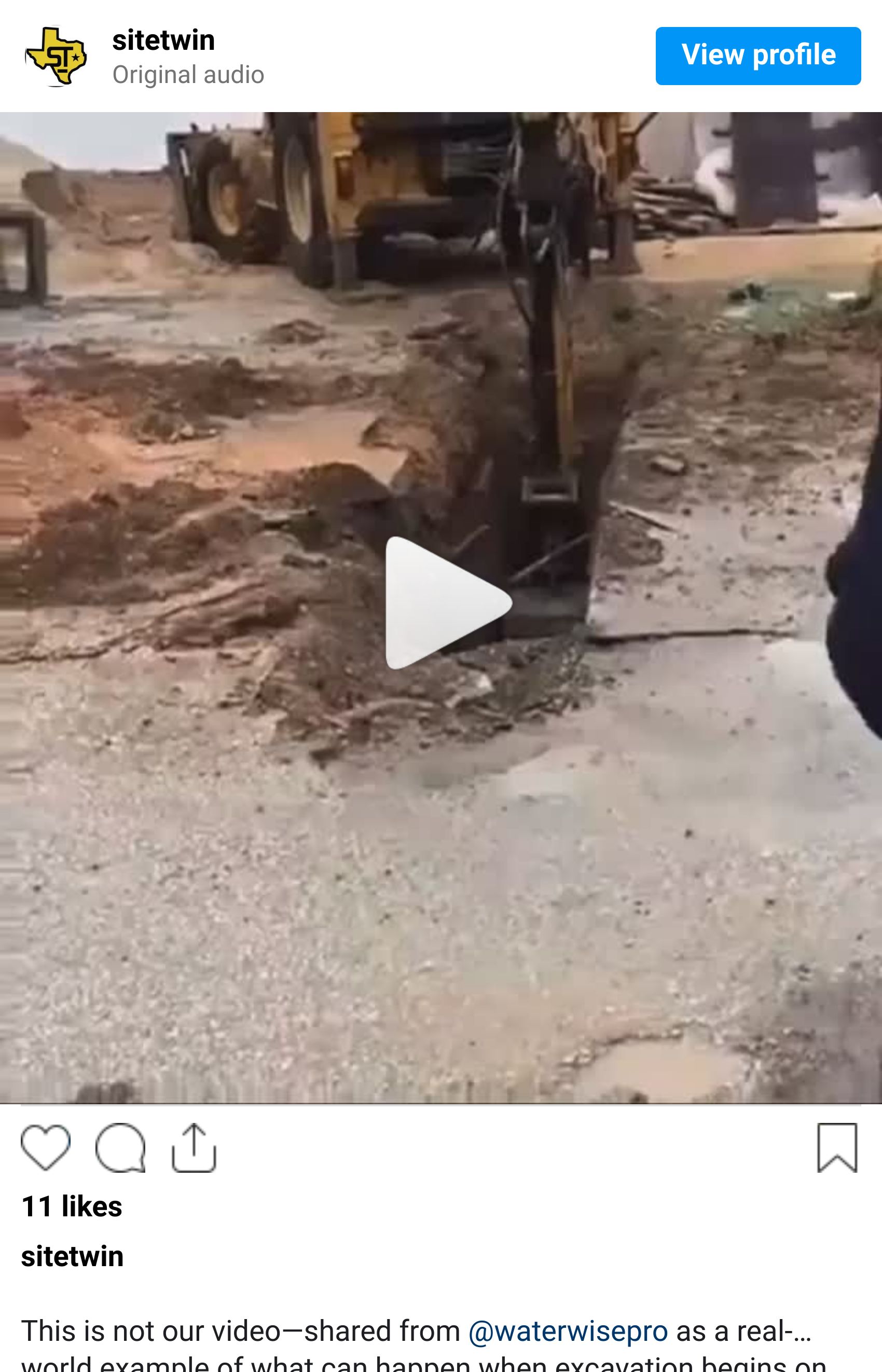
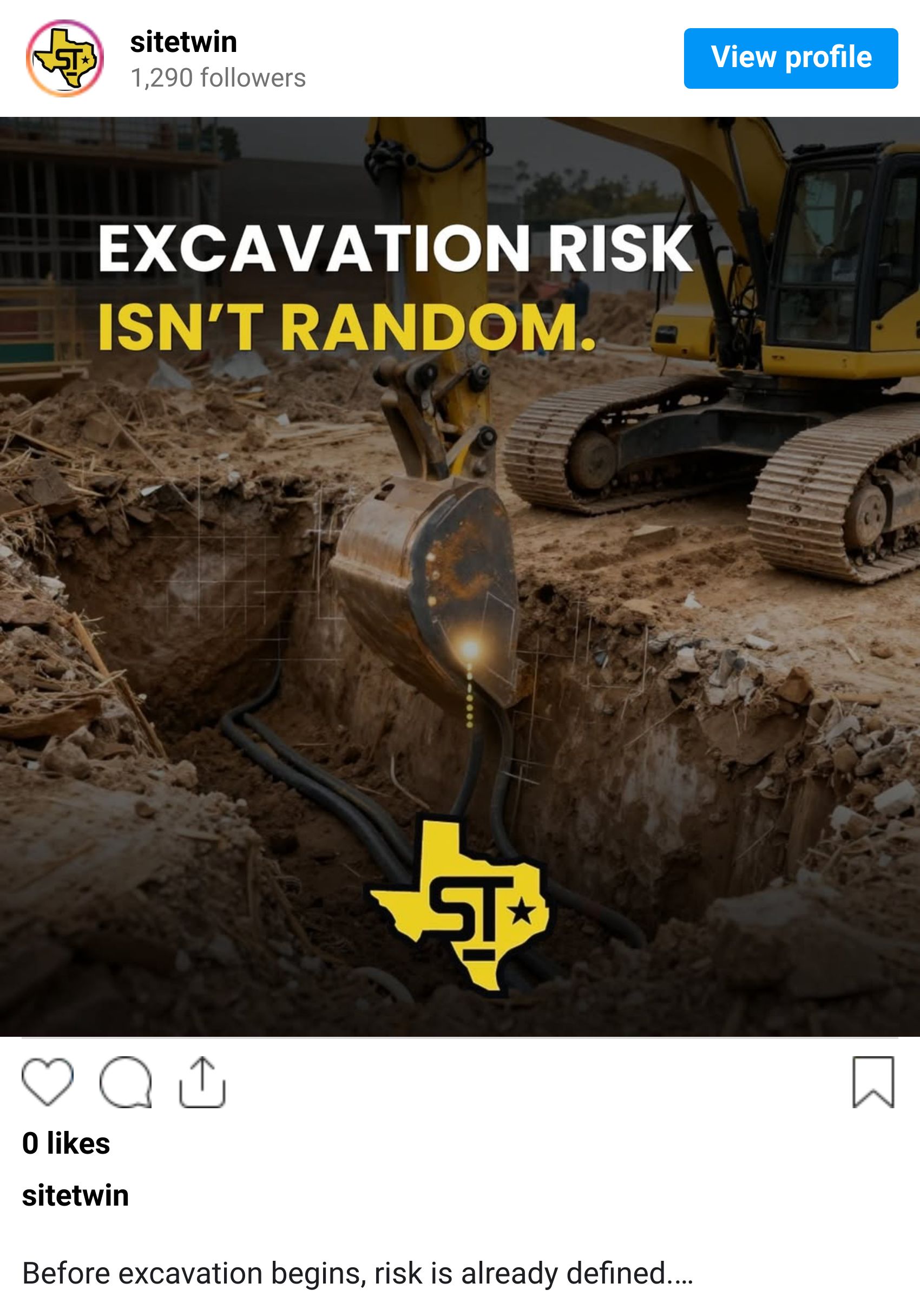
See It For Yourself
(Representative visuals only, not from the Longwood incident.)
DAMAGE CONTROL TIP

Before telecom expansion begins in residential neighborhoods:
Verify utility locations with field data
Use potholing/daylighting at crossings
Validate records against real conditions
Reconfirm markings before boring
Pause work when conditions differ from plans
Prioritize safety over speed
Fast builds without visibility create slow recoveries.
UTILITY STRIKE SNAPSHOT
This incident reflects broader national trends:
Fiber expansion is increasing excavation risk
Legacy utility records are often incomplete
Residential corridors contain dense buried services
Municipalities are becoming less tolerant of repeated damages
Trust erodes quickly when residents are impacted
WHY THIS MATTERS
Across the country, broadband expansion is accelerating. But without accurate utility mapping and field verification, growth can come with avoidable disruption.
The challenge isn’t fiber expansion.
The challenge is building it responsibly.
PROJECT SPOTLIGHT
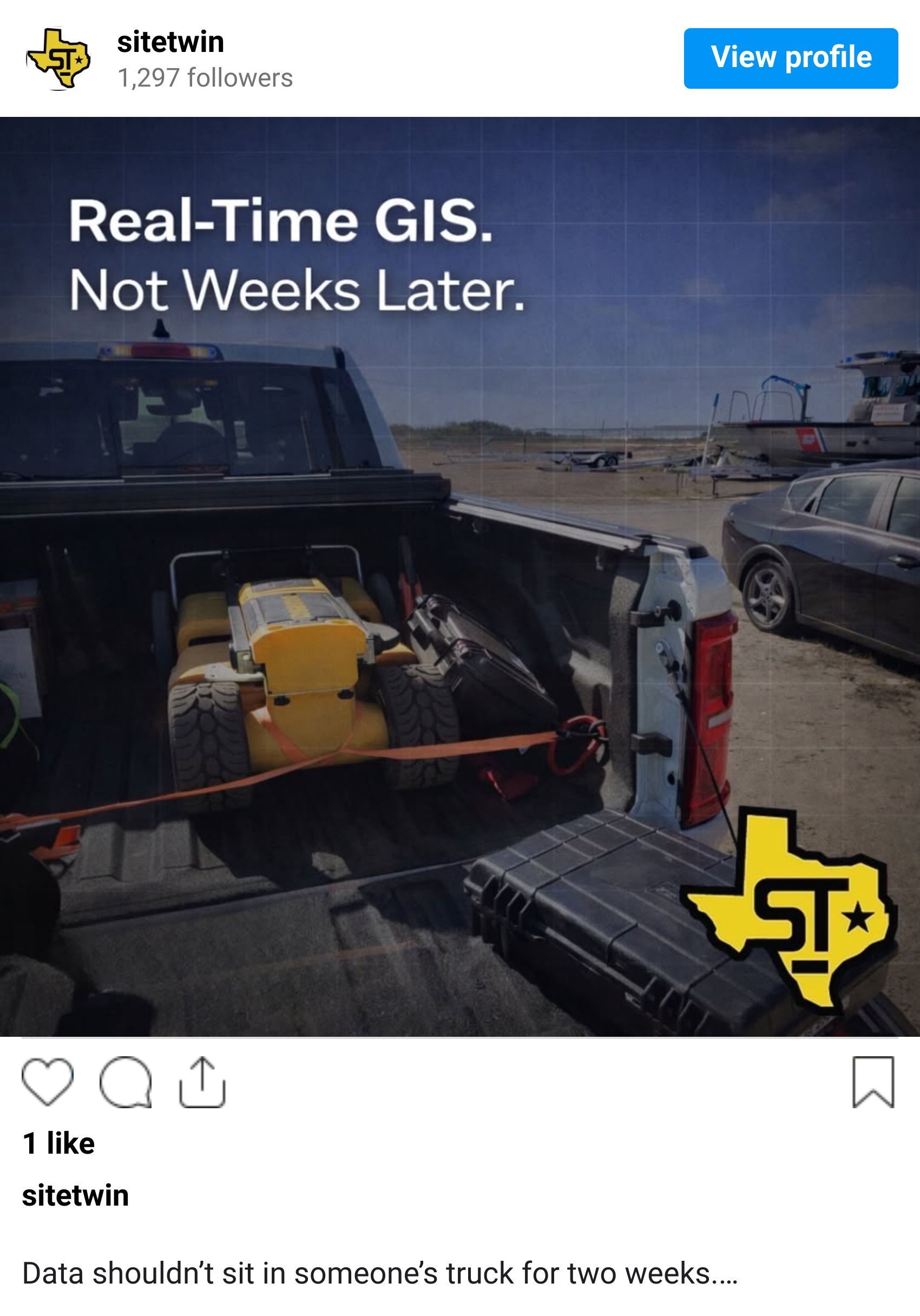
Recent SiteTwin Project Spotlight
See how SiteTwin is helping contractors, utilities, and infrastructure teams reduce risk through utility locating, GPS/GIS mapping, and subsurface visibility.
View Recent Projects:
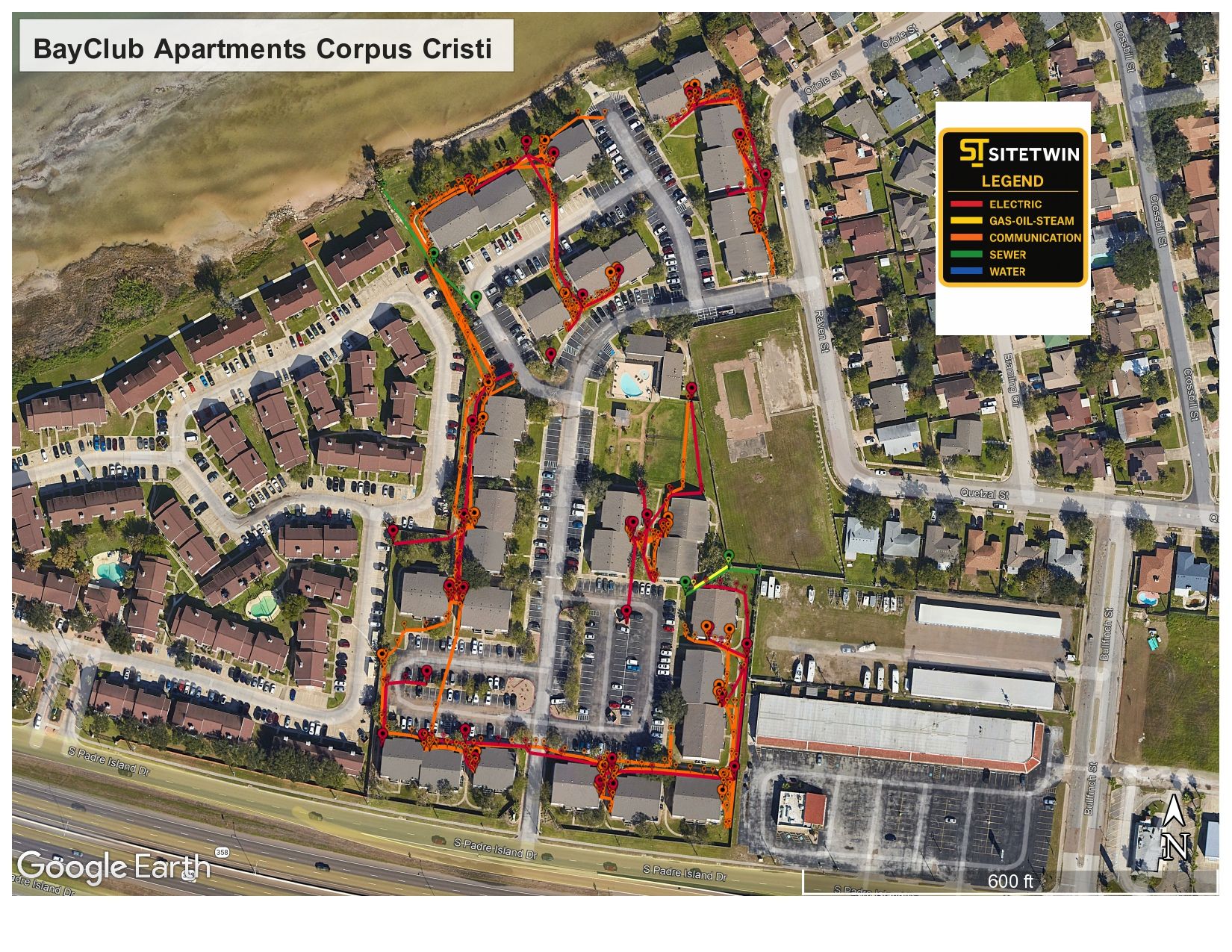
Real field work. Real solutions. Real damage prevention.
Closing Insight
Most utility strikes don’t begin with bad intentions.
They begin with routine work.
But routine work in unknown ground creates unnecessary risk.
SiteTwin helps teams see what’s below, before they break ground.
Learn more, see recent projects, or request support:
https://linktr.ee/sitetwin
Until next time,
The Damage Report
1