This Week in The Damage Report

Disclaimer: The images used in this newsletter are representative and are not actual photos from the incident described. They are intended for illustrative purposes only.
Earlier this month in Missouri, a contractor performing fiber optic installation struck an underground natural gas main, triggering a rapid leak that forced evacuations and emergency response across a residential area.
The strike allowed natural gas to escape into nearby structures and surrounding soil conditions, prompting authorities to evacuate residents while utility crews worked to isolate and control the line.
In a separate but closely linked failure within the same incident response window, investigators noted that incomplete or inaccurate utility marking contributed to confusion around additional nearby infrastructure, increasing the complexity of containment efforts.
While the situation was ultimately stabilized, it underscores a persistent issue across excavation projects:
When underground data is incomplete, even routine fiber installation can escalate into a public safety event.
DAMAGE OF THE WEEK
What Happened?

Note on imagery: The images featured in this issue are representative in nature and are not from the specific incident covered in this report. They are used to help illustrate similar real-world scenarios.
A fiber installation contractor in the Midwest struck an active natural gas distribution line during excavation activities.
Following the strike:
A pressurized gas leak occurred immediately
Emergency crews were dispatched to secure the area
Nearby residents were evacuated as a precaution
Utility teams worked to locate and isolate affected segments
Additional uncertainty arose due to closely spaced underground infrastructure
The incident required coordinated emergency response and utility mitigation before the area could be safely stabilized.
Why It Happened
Based on reporting and similar excavation incident patterns, contributing factors included:
Incomplete or inconsistent subsurface utility records
Multiple utilities occupying tightly spaced corridors
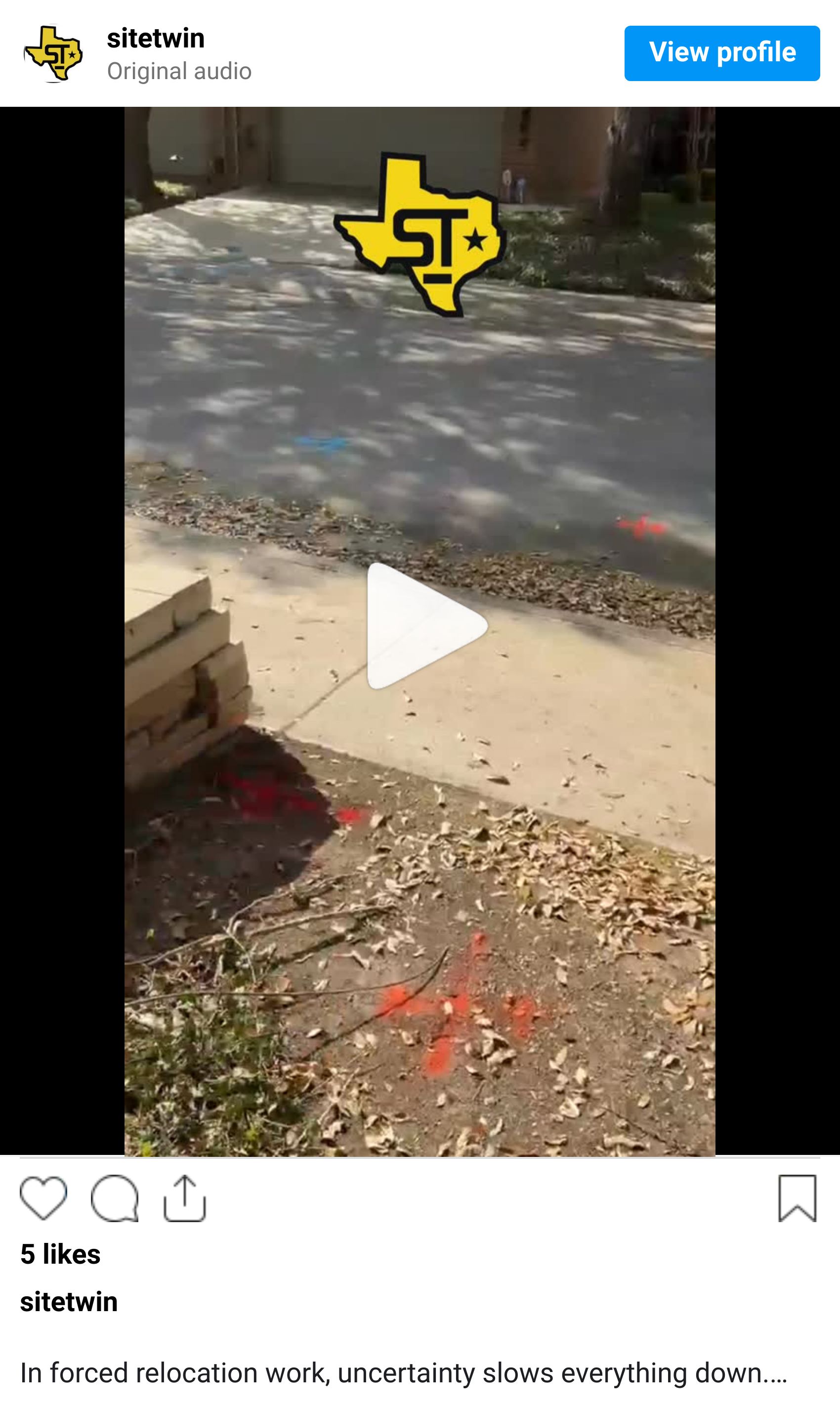
Reliance on visual locate markings without field verification
Fiber installation occurring in active utility-dense environments
Limited visibility into secondary or adjacent gas infrastructure
When underground networks overlap, a single strike can expose gaps in the entire mapping system.
The Real Impact
Even when contained before escalation, the consequences were significant:
Emergency evacuation procedures activated
Temporary disruption to surrounding neighborhoods
Utility service interruption and pressure shutdown
Construction delays and equipment stand-down
Increased regulatory and safety review activity
Utility strikes don’t need to escalate into explosions to create operational and community disruption.
Source (industry reporting): Underground Infrastructure / Gas Incident Summary
https://undergroundinfrastructure.com/topics/gas
SOCIAL MEDIA See It for Yourself
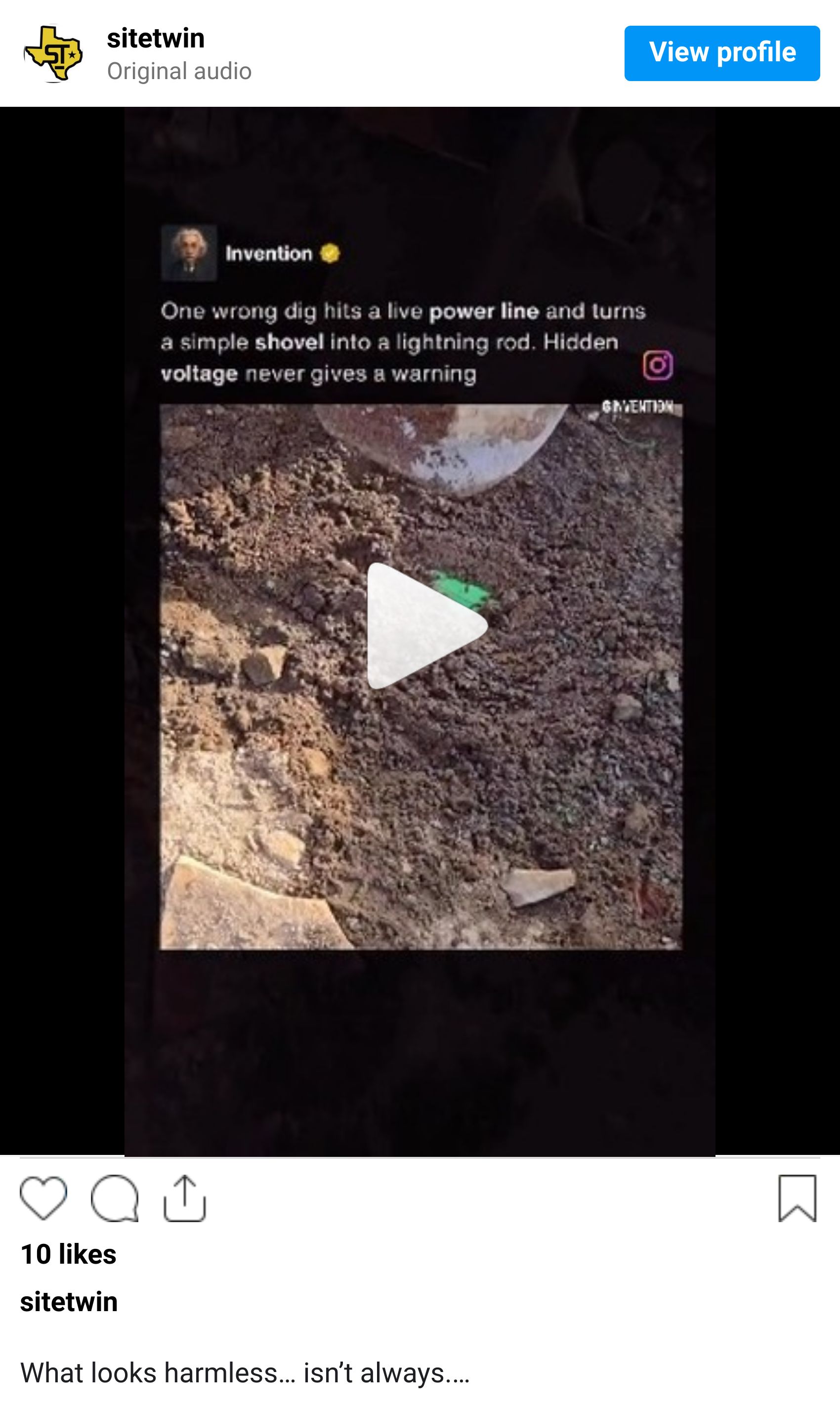
The visuals below represent a power line strike which can be tied to fiber installation work. While not from this exact incident, they illustrate the scale and urgency of emergency response when underground infrastructure is compromised.
DAMAGE CONTROL TIP
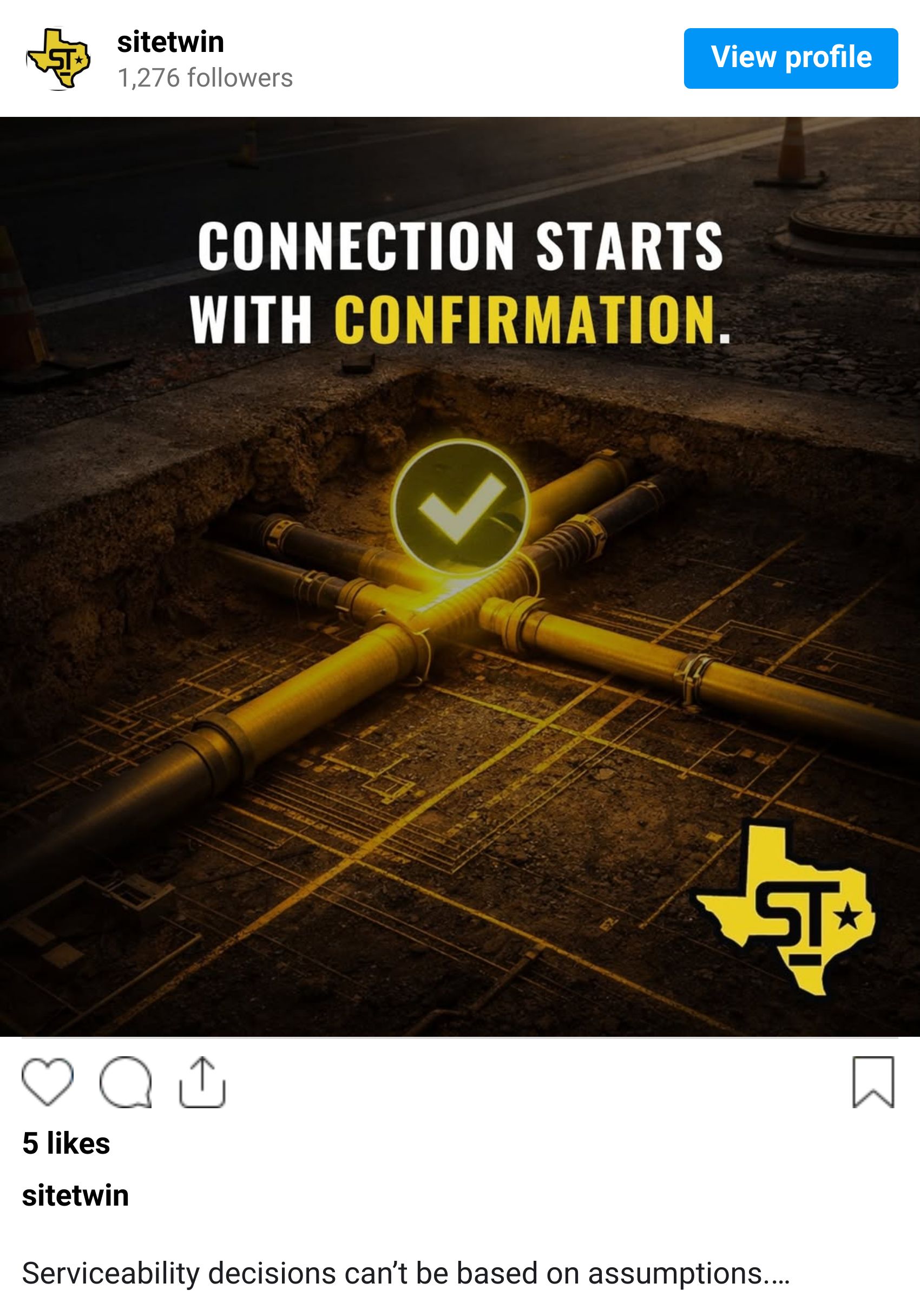
Fiber expansion continues to increase underground congestion.
To reduce risk:
Verify utility locations using field-validated data, not just records
Daylight critical crossings in gas-dense corridors
Treat adjacent utility lines as unknown unless confirmed
Cross-check locate marks with as-built conditions
Pause work when underground conditions don’t match expectations
If visibility is incomplete, excavation risk is elevated by default.
UTILITY STRIKE SNAPSHOT
This incident reflects a consistent national pattern:
Fiber installation remains a leading trigger for gas line strikes
Dense utility corridors increase likelihood of multi-line exposure
Mapping discrepancies are a recurring root cause factor
Secondary impacts often worsen the initial strike event
Emergency response costs rise rapidly even without ignition
Underground infrastructure complexity continues to outpace available visibility tools.
Why This Matters
Across the industry, several pressures are converging:
Rapid fiber and broadband expansion
Aging and inconsistent utility records
Increasing subsurface congestion in urban and suburban corridors
High-speed construction timelines
Limited real-time verification tools in the field
The result is a system where routine excavation increasingly carries elevated hidden risk.
Closing Insight
Most utility strikes don’t start as emergencies.
They start as routine work—fiber pulls, trenching, directional boring.
But underground infrastructure is rarely as simple as it appears on paper.
When visibility is incomplete, risk compounds instantly.
SiteTwin helps teams see what’s below—before they break ground.
Learn more, see recent projects, or request support:
https://linktr.ee/sitetwin
Until next time,
The Damage Report